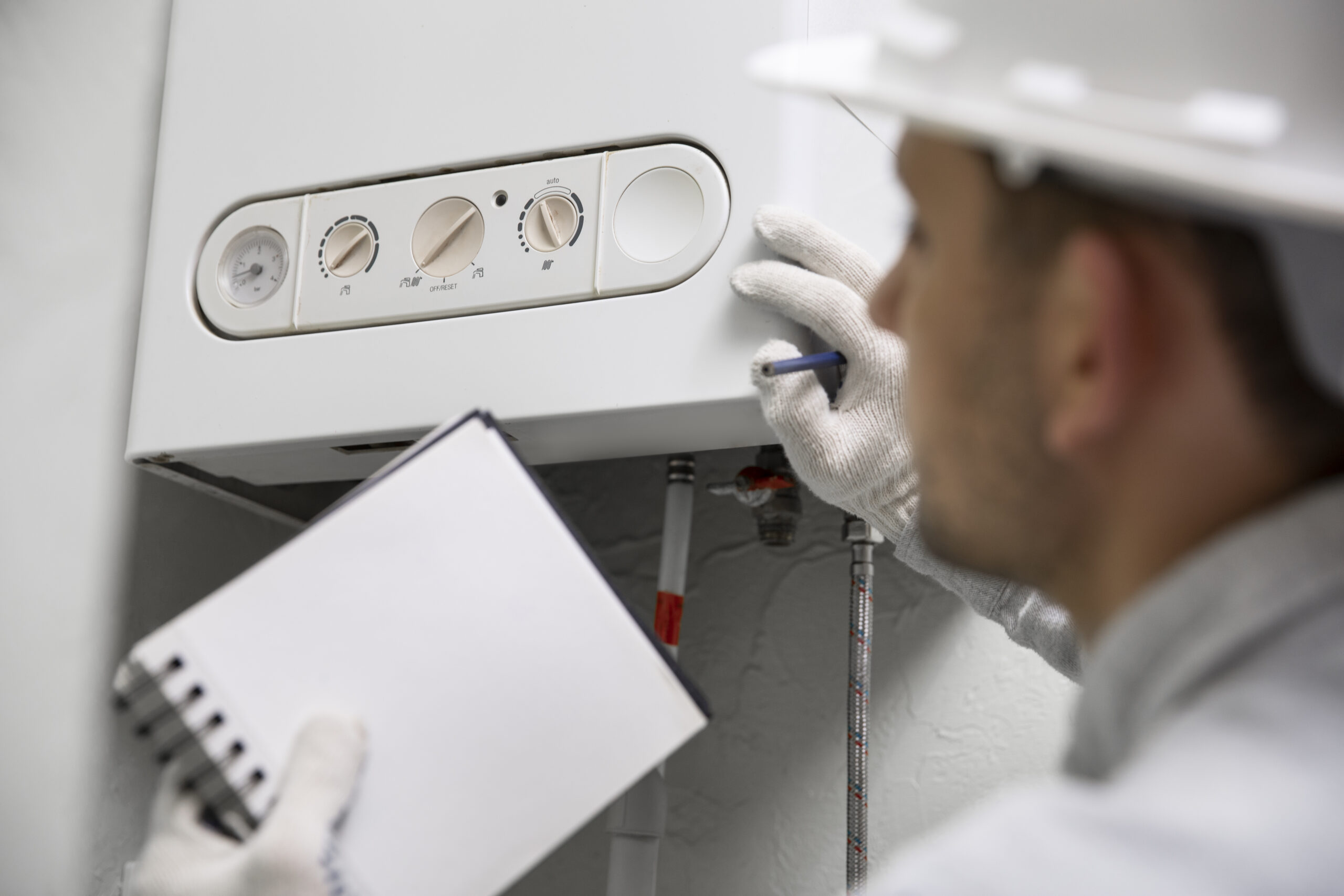
Furnaces are designed to deliver steady warmth during the colder months, often operating continuously for extended periods. Because they work quietly in the background, early signs of trouble can go unnoticed until comfort is affected. A system that once heated evenly may begin cycling irregularly, producing unusual sounds, or failing to maintain set temperatures. Furnace repair is important not only when breakdowns occur but also when performance begins to shift subtly. Addressing these changes promptly supports consistent indoor comfort and helps prevent larger disruptions. Understanding furnace repair as a process rather than a single event allows homeowners to respond calmly and effectively when heating systems show signs of strain.
When Heating Systems Demand Attention
-
Recognizing Performance Changes Before Failure
Furnace repair often begins with noticing performance changes that signal developing issues. These changes may include longer heating cycles, uneven warmth between rooms, or delayed response when the thermostat is adjusted. Contractors should monitor how frequently the system starts and stops, as excessive cycling can indicate airflow or control issues. In many cases, these symptoms appear gradually, making them easy to dismiss. However, early recognition allows repairs to focus on correction rather than recovery. In regions where homeowners frequently request furnace repair in Frisco, technicians often encounter systems that have been compensating for small faults over time. Addressing these concerns early helps restore balanced operation and reduces stress on internal components, supporting more dependable heating through the season.
-
Mechanical Components and Repair Priorities
Furnace repair involves careful attention to mechanical components that influence heat production and distribution. Motors, belts, bearings, and blowers all play a role in moving warm air throughout the building. When these parts experience wear or misalignment, performance can decline quickly. Contractors assess how each component interacts with the rest of the system, identifying areas where friction or resistance may be increasing. Repairs focus on restoring smooth movement rather than simply replacing parts. This approach helps maintain system harmony, allowing components to share workload evenly. Mechanical repairs also reduce noise and vibration, which are often early indicators of imbalance. By addressing mechanical priorities thoughtfully, furnace repair supports steady operation rather than temporary fixes.
-
Electrical Controls and System Response
Modern furnaces rely on electrical controls to regulate ignition, temperature, and safety functions. When these controls drift out of calibration or connections weaken, system response can become unpredictable. Furnace repair includes testing sensors, switches, and wiring to confirm accurate communication between components. Contractors observe how the furnace responds to thermostat signals and safety thresholds. Delayed ignition or inconsistent shutdown patterns often point to electrical issues rather than fuel supply problems. Repairs in this area focus on restoring a reliable response so the system operates within expected parameters. Electrical repairs support safety and comfort simultaneously by ensuring the furnace reacts appropriately to changing conditions without unnecessary interruptions.
-
Repair Decisions and Long-Term System Health
Furnace repair decisions influence how long a system remains dependable. Contractors evaluate whether repairs address root causes or simply relieve symptoms. This evaluation considers system age, previous repair history, and overall condition. Some repairs focus on reinforcing existing components, while others correct installation or airflow issues that have caused uneven wear. Thoughtful repair choices help prevent recurring problems and support gradual aging rather than sudden failure. Contractors also document findings, creating a record that supports future service planning. Long-term system health depends on aligning repair actions with how the furnace is actually used, ensuring fixes remain effective as conditions change.
-
Maintenance Alignment After Repairs
After furnace repair is completed, aligning maintenance practices helps preserve the results. Contractors often recommend adjustments to service schedules or usage habits based on observations during repairs. Clean filters, unobstructed vents, and consistent thermostat settings support repaired components by reducing unnecessary strain. Maintenance alignment ensures that preventable issues do not undermine repairs. This coordinated approach allows the furnace to operate steadily rather than reverting to the conditions that initially caused problems. Repair and maintenance work together to support reliable heating across multiple seasons.
Furnace repair is critical to maintaining reliable indoor warmth, especially as systems begin to show signs of strain. By addressing performance changes, mechanical wear, and control issues, repair restores balance and supports consistent operation. Rather than waiting for breakdowns, timely repair helps furnaces age steadily and respond predictably to demand. Furnace repair is not just a response to problems; it is a practical step toward sustaining long-term comfort and system stability.