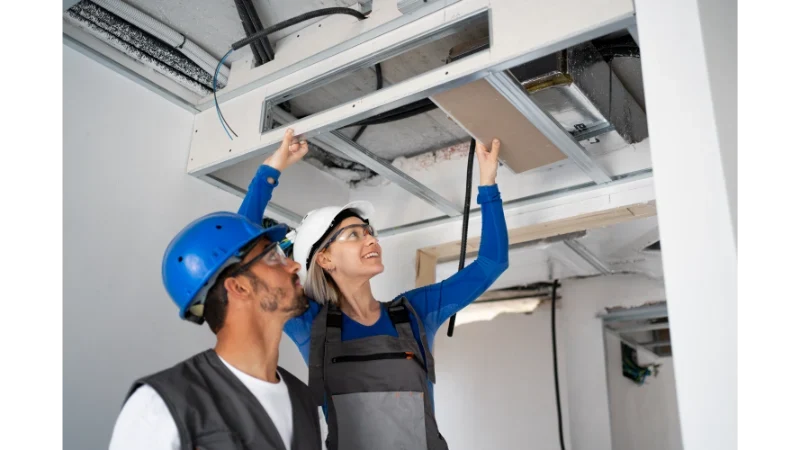
Energy efficiency has become a central concern for property owners as utility costs rise and environmental awareness grows. Heating and cooling systems account for a large portion of energy use in residential and commercial buildings, making them a natural focus for improvement. HVAC contractors play an important role in helping buildings transition toward more efficient operation without sacrificing comfort or reliability. Their involvement extends beyond repairs and maintenance into planning, system evaluation, and upgrade coordination. By understanding how contractors support energy-efficient system upgrades, it becomes easier to see how thoughtful changes can reshape daily comfort, reduce energy strain, and support long-term building performance.
How Energy Efficiency Improvements Take Shape
-
Evaluating Existing Systems and Energy Use
The process of improving energy efficiency often begins with a detailed evaluation of existing HVAC systems. Contractors assess how current equipment operates, how frequently it cycles, and how well it responds to temperature demands. This evaluation includes reviewing the system’s age, condition, airflow balance, and day-to-day building use. Inefficiencies may stem from outdated components, mismatched system sizing, or changes in building layout over time. Contractors also consider insulation levels and duct performance, as these factors directly influence system efficiency. By gathering this information, contractors develop a clear understanding of where energy losses occur and how upgrades can address them. This evaluation phase ensures that any improvements are based on actual performance rather than assumptions.
-
Guiding System Upgrades and Equipment Selection
Once inefficiencies are identified, HVAC contractors help guide system upgrades that align with building needs and energy goals. This guidance includes selecting equipment designed to operate more efficiently under typical usage conditions. Contractors explain that newer systems regulate output more precisely, reducing unnecessary energy consumption during partial-load operation. In many communities, discussions around working with an HVAC contractor in Auburn highlight how local climate and usage patterns influence upgrade decisions. Contractors also coordinate installation details to ensure upgraded systems integrate smoothly with existing infrastructure. This guidance helps property owners make informed decisions that balance upfront investment with long-term energy savings and operational consistency.
-
Optimizing System Controls and Smart Technologies
Energy-efficient upgrades often extend beyond mechanical components to include control systems and automation. HVAC contractors install and configure thermostats and controls that respond more accurately to indoor conditions and occupancy patterns. These systems adjust output gradually rather than relying on constant on-off cycling, which can waste energy. Contractors ensure controls are calibrated to match both equipment capabilities and user preferences. Smart technologies also provide feedback on system performance, helping users understand energy use trends. By optimizing how systems respond to real conditions, contractors help reduce unnecessary energy demand while maintaining steady comfort levels throughout the building.
-
A Focused Look at Incremental Efficiency Gains
Not all energy-efficiency improvements require a full-system replacement. Incremental upgrades, such as airflow adjustments, sealing improvements, and control refinements, can deliver meaningful gains. HVAC contractors focus on these targeted changes to improve efficiency without major disruption. This approach enables buildings to benefit from energy improvements in manageable stages while extending the useful life of existing systems.
-
Installation Precision and Performance Balance
Proper installation is critical to realizing the benefits of energy-efficient upgrades. HVAC contractors ensure that new components are installed with attention to airflow balance, electrical integrity, and system integration. Poor installation can undermine efficiency by creating resistance, leaks, or control mismatches. Contractors test upgraded systems under operating conditions to confirm they perform as intended. This testing phase allows fine-tuning of settings to achieve balanced operation. When systems are installed and adjusted correctly, they maintain efficiency over time rather than losing performance shortly after installation. Installation precision ensures that energy-saving features function as designed rather than being offset by avoidable inefficiencies.
-
Supporting Long-Term Efficiency Through Maintenance
Energy efficiency does not end once upgrades are complete. HVAC contractors support long-term efficiency by maintaining upgraded systems and monitoring performance trends. Regular service helps preserve efficiency by keeping components clean, calibrated, and responsive. Contractors also identify early signs of performance drift that could lead to increased energy use over time. Maintenance plans tailored to upgraded systems ensure that energy-saving features continue to operate as intended. This ongoing involvement preserves the upgrade’s value and prevents gradual efficiency loss from wear or neglect. Long-term efficiency depends on consistency, making contractor support an essential part of the process.
HVAC contractors play a central role in translating energy-efficiency goals into practical system upgrades. Through evaluation, guidance, precise installation, and ongoing support, they help buildings reduce energy use while maintaining comfort and reliability. Energy-efficient upgrades become more effective when they are planned around actual building needs and supported by informed oversight. Rather than viewing efficiency as a single project, contractors help integrate it into everyday system operation. This partnership approach allows property owners to achieve steady energy improvements that support long-term performance, cost awareness, and sustainable comfort.