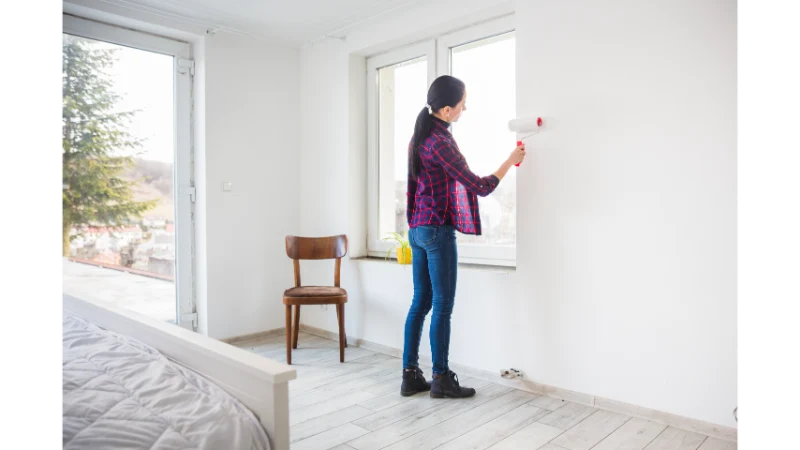
Fresh paint has a way of making a home feel newly yours again. Walls look cleaner, trim looks sharper, and spaces feel brighter without moving a single piece of furniture. But if you have kids, pets, allergies, or you are simply sensitive to strong smells, residential painting can also come with a few very real concerns: lingering odour, airborne dust from prep, and wondering what is actually in the can.
The good news is you do not have to choose between a beautiful finish and a healthier process. With the right plan, you can reduce disruption, control air quality, and still get a durable paint job that holds up to daily life.
If you are deciding whether to DIY or bring in help, it can be useful to talk through a low disruption approach with expert house painters in Calgary or anyone you trust, not for a sales pitch, but to understand the workflow that keeps a home comfortable while the work gets done.
Start with what “low odour” really means
A lot of paint smell comes from volatile organic compounds, often shortened to VOCs. Not every product labeled “low VOC” feels the same in real life, because odour is also affected by additives, colourants, airflow, and how much surface area you are coating in one go.
A practical way to shop is to look for:
- Water based paints for most interior walls and ceilings
- Products labeled low VOC or zero VOC (and ask whether the tinting system adds VOCs)
- A finish choice that matches the space, so you are not repainting again too soon
You can also plan the project so fewer rooms are “in process” at the same time, which makes it easier to ventilate properly.
Ventilation matters more than most people think
Painting is one of those projects where ventilation is not just a comfort issue. It is part of the outcome. Better airflow helps the coating dry and cure more predictably, and it helps clear odours faster.
A simple ventilation strategy that works in most homes:
- Create a path for air: one open window for intake, one for exhaust
- Use a fan in the exhaust window to pull air out (and keep the door to that room mostly closed)
- Keep HVAC returns in the painted room closed if possible, so you are not spreading odour through the house
- After you finish a coat, keep the airflow going for several hours
Cold weather changes the game a bit. If opening windows is not realistic, you can still improve conditions by running bath fans, range hoods, and your furnace fan (with a clean filter) to keep air moving. The key is controlled circulation, not just “cracking a window for five minutes.”
Keep dust from prep from becoming a whole house problem
Most of the mess in residential painting comes before the first brush stroke. Sanding, scraping, and patching can put very fine particles into the air, especially on older textured walls or damaged trim.
A cleaner prep setup looks like this:
- Remove what you can, then cover what you cannot move
- Use plastic to seal doorways if you are working in one zone of the home
- Vacuum sanding dust with a HEPA vacuum (shop vacs without HEPA filtration often blow fine dust back out)
- Wipe walls after sanding with a damp microfiber cloth so paint bonds to a clean surface
If you are doing drywall repairs, let patches fully dry and sand lightly. Over sanding creates extra dust and can leave a polished surface that does not hold paint as well as it should.
Choose finishes that support a low maintenance home
A healthier paint plan is also a durability plan. The longer the finish lasts, the less often you have to repaint, and the less often you repeat the whole odour and disruption cycle.
A quick, practical guide:
- Ceilings:flat (hides imperfections, low glare)
- Living rooms and bedrooms:matte or eggshell (soft look, easier cleaning than flat)
- Hallways, mudrooms, kids’ rooms:eggshell or satin (better scrub resistance)
- Trim and doors:semi gloss or satin trim enamel (harder finish, wipes clean)
If you have pets, strollers, or hockey bags living near your entryway, that is not the place to experiment with delicate finishes.
Plan around kids, pets, and sleep
If you are living in the home while painting, the biggest comfort wins come from sequencing.
Try this approach:
- Paint one bedroom last so you always have a “no paint” sleep zone
- Start with ceilings, then walls, then trim (this prevents rework and keeps dust from landing on fresh trim paint)
- Keep pets out of the space until the room is dry to the touch and odour is mostly gone
- Store paint and supplies out of reach, even if the lids feel tight
For nurseries or anyone with asthma, consider extending the ventilation period and delaying move in. Even when paint feels dry, it can still be curing.
Dry vs cured: the timeline homeowners underestimate
Paint can feel dry quickly, but curing takes longer. “Dry” means you can touch it lightly without tackiness. “Cured” means the coating has hardened to its full durability and washability.
Why this matters:
- Washing a wall too early can burnish the finish or leave shiny patches
- Hanging heavy items or applying painter’s tape too soon can pull the film
- Closing doors and windows tight too early can trap odour longer than necessary
A good rule is to treat freshly painted walls gently for the first couple of weeks. If you need to clean something right away, use a soft cloth and mild soap, and do not scrub aggressively.
What about older homes and hidden risks?
Most homeowners think about colour, not chemistry. But if your home is older, you should also think about what is under the existing layers, especially if there is peeling paint, heavy chalking, or lots of sanding planned.
If you suspect legacy coatings or you are repainting over unknown layers:
- Avoid dry scraping and uncontrolled sanding
- Contain dust carefully
- Consider professional guidance on safe prep methods
This is one of those situations where “just get it done” can create avoidable cleanup and exposure issues.
The best “healthy home” painting checklist
Before you start, run through this list:
- Pick products that align with low odour goals
- Choose finishes that match the room’s wear and tear
- Decide your room order and keep one clean zone available
- Plan ventilation for your season, not an ideal day
- Set up dust control before sanding begins
- Allow extra time for curing before heavy cleaning or reinstalling hardware
A calmer, cleaner project is usually not about doing more. It is about doing things in the right order, with fewer shortcuts that come back to bite you.