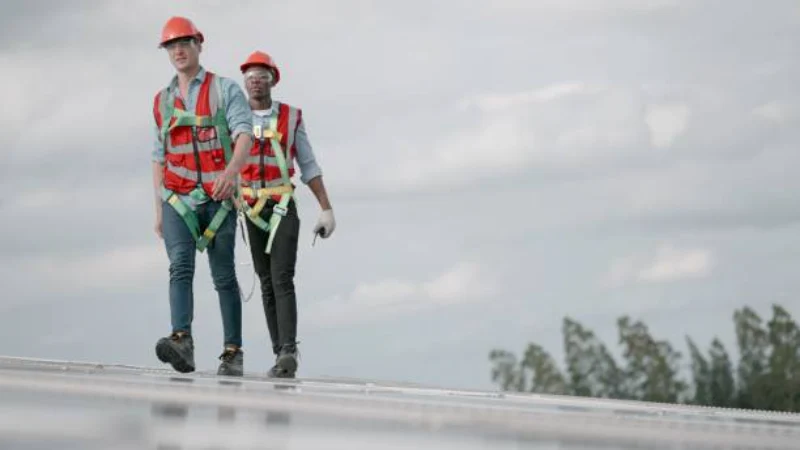
Roofing work happens in one of the most challenging environments on any job site: elevated surfaces, changing weather, sharp materials, and constant movement near edges. A single slip can lead to serious injury, and small oversights—an unsecured ladder, cluttered walkways, poor footwear, or loose debris—can trigger chain reactions that put both workers and homeowners at risk. Because of this, safety is not a side task on roofing projects; it is built into the daily plan, the equipment choices, and the way crews move and communicate on the roof. Professional roofers treat each project as a controlled operation, identifying hazards early and managing them continuously. When safety practices are followed consistently, roofing can be completed efficiently while protecting workers, property, and everyone around the home.
Safety Practices That Protect People and Property
-
Pre-Job Hazard Assessment and Site Preparation
Safety begins before anyone climbs a ladder. Roofers start by evaluating the job site for hazards such as steep pitch, fragile decking, overhead power lines, unstable ground, and limited access points. They also consider weather conditions, such as wind, rain, and morning dew, which can affect traction and visibility. A site assessment includes checking where materials will be staged, how debris will be managed, and which paths workers will use to move tools without creating trip hazards.
Crews often designate ground zones for loading and disposal so people entering the property avoid falling-object risks. For projects involving roofing in Bellevue, crews frequently plan around moisture and slick surfaces, adjusting timing and surface control methods to keep footing stable. Site preparation also includes protecting landscaping, windows, and outdoor furniture, because a safe site is one where both people and property are shielded from preventable damage. When this groundwork is done correctly, the roof becomes a structured work area rather than a chaotic space.
-
Fall Protection Systems and Controlled Movement on the Roof
Fall protection is the core of roofing safety because the primary risk is working near edges at height. Roofers manage this through systems that prevent falls or reduce injury if one occurs. Common approaches include harnesses with lifelines anchored to secure points, roof jacks and planks on steeper pitches, and guardrails where feasible. Safety planning also involves controlling how workers move across the surface: limiting unnecessary trips, keeping walking paths clear, and placing tools so workers do not need to step around obstacles near the roof edge. Crews often maintain a “clean roof” approach by removing loose debris regularly to reduce slip hazards.
On complex rooflines with valleys and dormers, movement is mapped so workers avoid unstable transitions. Fall protection is not only equipment; it is a discipline. A harness left unclipped for a few minutes can be the difference between a close call and an emergency. Proper use of fall protection creates predictable, repeatable movement patterns that keep risk low throughout the day.
-
Ladder Safety, Access Points, and Material Handling
Ladders are involved in many roofing accidents, so roofers treat access as their own safety system. Ladder setup includes choosing stable ground, securing the ladder at the top, maintaining the correct angle, and keeping the base clear of foot traffic. Crews also plan how tools and materials move up and down, because carrying heavy items while climbing increases fall risk. Material hoists, rope systems, and controlled handoffs reduce strain and allow workers to maintain three points of contact on ladders. Roofers also protect homeowners by establishing clear access boundaries, ensuring children and pets are kept away from ladder zones and disposal areas.
Even minor mistakes—like leaning a ladder on weak gutters or failing to extend it above the roof edge—can create instability. Safe access becomes more important as projects scale up, because repeated climbs increase fatigue, which in turn increases risk. Carefully managing ladders and access points keeps both workers and residents safer throughout the job.
-
Weather, Surface Conditions, and Slip Prevention
Weather management is a daily safety factor in roofing because conditions can change quickly. Wind can catch loose materials, sudden rain can make shingles slick, and strong sun can increase dehydration and reduce focus. Roofers manage this by monitoring forecasts, adjusting schedules, and sometimes pausing work when surfaces become unsafe. Slip prevention includes using footwear with strong traction, keeping the surface clean, and controlling material placement to avoid loose scraps underfoot. In damp climates, crews may use staging boards or roof jacks to create stable working surfaces and reduce reliance on direct shingle traction.
Heat safety matters too—roof surfaces can become significantly hotter than the surrounding air, increasing the risk of heat stress. Hydration planning, rest breaks, and shade management become part of the safety routine. Roofers also watch for frost or dew in the morning, which can be deceptively dangerous. By treating weather as an active variable rather than a background condition, crews prevent many incidents before they happen.
-
Tool Safety, Debris Control, and Protecting the Ground Below
Roofing involves sharp blades, nail guns, heavy bundles, and tear-off debris that can injure workers or damage property if not controlled. Tool safety starts with proper handling, safe storage when not in use, and checking equipment for faults. Nail gun safety includes awareness of recoil, proper placement angles, and keeping hands clear of the firing zone. Debris control is equally important, particularly during tear-off. Roofers manage this by using tarps, chutes, or controlled drop zones so material doesn’t scatter across walkways or landscaping.
Magnetic sweepers are often used to pick up nails and metal fragments, reducing the risk of tire punctures and foot injuries for homeowners. Crews also communicate clearly when moving materials overhead so people below avoid the area. A clean worksite reduces stress and speeds up work because workers are not constantly stepping over hazards. When debris control is handled consistently, the job site stays organized and safer for everyone on and around the property.
-
Training, Crew Communication, and Consistent Procedures
Safety systems work only when crews follow them consistently, and that requires training and communication. Roofers often begin the day with a quick review of site hazards, planned tasks, and role assignments, so everyone knows what is happening and where the highest risks are. New crew members are coached on harness use, ladder rules, and tool handling rather than being expected to “learn by watching.” Clear communication reduces accidents caused by surprise movements, such as shifting materials, moving ladders, or dropping tools.
Crews also use consistent procedures for changing blades, securing loose items, and maintaining walking paths. Supervisors monitor for fatigue and rushed behavior, which are common contributors to mistakes late in the day. Safety culture matters because roofing involves repetitive tasks that can feel routine, and it’s in routine that people cut corners. A crew that treats safety as part of workflow—rather than something separate—creates a predictable environment where risks are noticed early and managed calmly.
Safety as the Foundation of Every Roofing Job
Roofing safety is built from layers of planning and discipline, just like the roof system itself. Roofers manage risk through site assessments, fall protection, secure access planning, weather awareness, controlled tool use, and debris containment, protecting both workers and homeowners. These practices reduce the chance of falls, slips, and injuries while also preventing property damage from dropped materials or scattered nails. Training and communication keep crews aligned, especially when roof layouts are complex or conditions change during the day. When safety is treated as a daily operating system rather than a checklist, roofing projects move forward with fewer disruptions and far less risk. A well-managed safety approach protects people first and supports smoother work, cleaner sites, and more reliable outcomes for the homeowner.