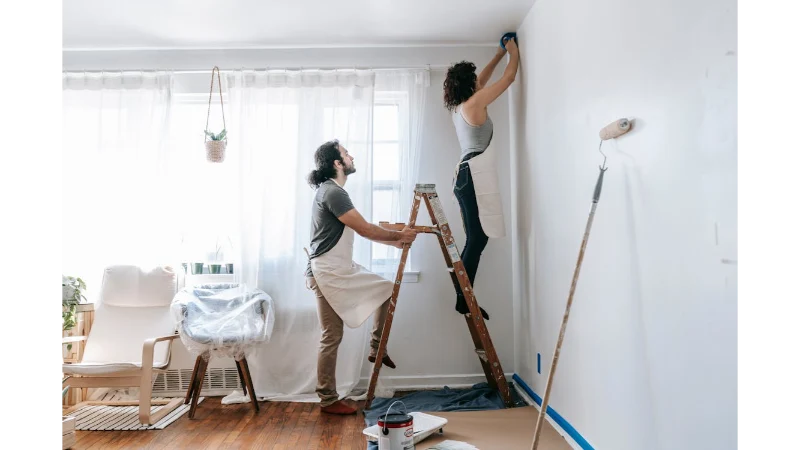
The strange thing about renovations is that the house still looks familiar—the same walls, the same layout, the same driveway. Yet the moment construction starts, the house stops behaving like a house. It becomes transitional. Predictable routines no longer apply. A hallway that felt automatic now holds tools. A light switch may not work. A door might not latch. Safety shifts quietly while attention stays fixed on paint colors and tile samples.
In Kissimmee, where renovations often happen while families stay put, the overlap between daily life and active construction is constant. Kids move through the same spaces contractors use. Doors open and close to manage airflow in humid weather. Equipment hums for hours. The home is functioning and under construction at the same time. This in-between state is where unexpected safety concerns take shape.
Renovation Clutter
Clutter during renovation is not decorative chaos. It’s physical displacement. Couches lean against walls. Cabinet boxes sit in traffic paths. Tools rest wherever there is space. Even careful homeowners underestimate how quickly usable square footage shrinks once materials move inside.
The risk grows in subtle ways. Movement becomes narrower. Turning corners requires adjustment. Carrying something across a crowded room becomes a calculation. When belongings are scattered through living areas, accidents become more likely, and this is why storage units make sense here. With items in storage units Kissimmee residents can easily clear out unnecessary volume before work begins. Removing bulk before demolition starts restores walking space and reduces daily strain inside an already disrupted environment.
Incomplete Staircases and Fall Risks
Stairs depend on consistency. The body climbs them without conscious thought. During renovation, that consistency disappears. Railings may be detached. A tread might be temporarily uneven. A section could remain unfinished while framing continues. One small change alters the rhythm of how the body moves.
Falls during renovation often happen in spaces people think they know best. Multi-level homes amplify this risk. When lighting shifts or edges are exposed, balance becomes unreliable. Temporary construction zones do not announce themselves loudly. They look almost complete, and that almost is where danger sits. Restricting access and clearly marking unfinished staircases becomes essential, especially in homes that remain occupied.
Structural Weak Points
Taking down a wall feels satisfying. The space opens up. The room feels bigger instantly. What is less visible is the temporary imbalance that happens before reinforcement is fully secured. Load-bearing elements do not disappear without consequence—even short windows of structural transition matter.
During framing adjustments, certain areas may flex differently. Ceilings may carry redistributed weight. Floors can feel subtly altered underfoot. The structure is stable in the long-term plan, yet transitional stages carry real vulnerability. Walking into partially supported zones or leaning heavy equipment against exposed framing creates a risk that is easy to underestimate.
Temporary Heating or Cooling Setups
When HVAC systems are disconnected or modified, portable cooling units and fans appear quickly. They plug into whichever outlet is available. Extension cords stretch across unfinished floors. Equipment runs continuously in high heat.
Electric draw increases under those conditions. Cords heat up. Outlets strain. Fine construction dust circulates in the air. It does not take dramatic negligence for risk to rise. Fire hazards during renovation often grow from convenience decisions made in the moment. Managing temporary climate control requires as much planning as the renovation itself.
Open Flooring Gaps
Flooring removal changes how the house feels underfoot. What used to be level and smooth becomes raw and uneven. Subfloor panels may shift slightly. Fasteners can sit exposed. Edges between finished and unfinished areas create subtle elevation differences.
The danger is not always obvious. It builds through repetition. Crossing the same uneven section ten times a day increases the chance of a misstep. Carrying tools or balancing materials reduces awareness of footing. Open flooring becomes part of daily life during renovation, yet it is not designed for daily traffic.
Gas Line Disturbances
Kitchen renovations look clean in renderings. In reality, they involve disconnecting and reconnecting systems that carry real risk. Gas lines get capped, moved, extended, or rerouted. Even when handled by professionals, the process creates moments where fittings are exposed or temporarily unsecured.
The risk does not always come from dramatic mistakes. It can come from small oversights. A loose connection. A delayed pressure check. An appliance reinstalled before final verification. In a lived-in home, residents may not immediately recognize a faint gas smell or assume it is part of construction. During renovation, systems that once operated quietly in the background become active points of attention.
Overloaded Circuits
Modern renovations often include upgrades. Larger refrigerators. Double ovens. Beverage coolers. Extra lighting. The design improves functionality, yet the electrical demand increases at the same time. If the existing panel or wiring is not properly evaluated, the system absorbs strain quietly.
Temporary setups during construction can compound this. Power tools, portable AC units, and new appliances may all draw from the same circuits. Breakers trip more often. Outlets feel warm. Extension cords multiply. These are not cosmetic inconveniences. They signal stress on a system that was not designed for the current load.
Debris Pile Up and Trip Hazards
Renovation debris does not stay neatly contained. It creeps outward. Dust settles beyond plastic sheeting. Small scraps collect near doorways. Fasteners drop to the floor unnoticed. Even in well-managed projects, transitional areas become cluttered.
Trip hazards during renovation rarely look dramatic. A loose board near a threshold. A stray screw on the tile. A shifted tarp along a hallway. These details blend into the background until someone catches a toe or loses balance. When a home is both a living space and a job site, debris control becomes a daily responsibility, not just an end-of-day cleanup task.
Chemical Exposure
New flooring often brings adhesives, sealants, and curing compounds into the home. These products release fumes while they set. In a closed indoor environment, especially in humid climates like Kissimmee, those fumes can linger longer than expected.
Residents may continue sleeping in nearby rooms or spending long hours indoors while the finish cures. Headaches, irritation, or respiratory discomfort sometimes follow. The concern is not panic. It is exposure management. Ventilation, scheduling, and limited access to freshly treated areas make a measurable difference. Chemical processes continue even after the crew leaves for the day.
Rushed Final Inspections
Renovations tend to run close to deadlines. Move-in dates, family events, or contractor schedules create pressure to wrap up quickly. At the final stage, attention shifts toward visual details. Paint touch-ups. Hardware alignment. Fixture placement.
What can slip through during that push are the quieter safety checks. Outlet testing. Railing stability. Door alignment for proper closure. Minor electrical adjustments. A rushed walkthrough may confirm appearance without fully confirming performance. The most serious renovation risks often hide in what looks complete. Taking time at the end, even when everyone is eager to finish, is where safety is truly secured.
Renovations reshape a home in visible ways. What often goes unnoticed is how they temporarily reshape safety conditions. A renovation does not become dangerous because it exists. It becomes risky when its transitional nature is underestimated.