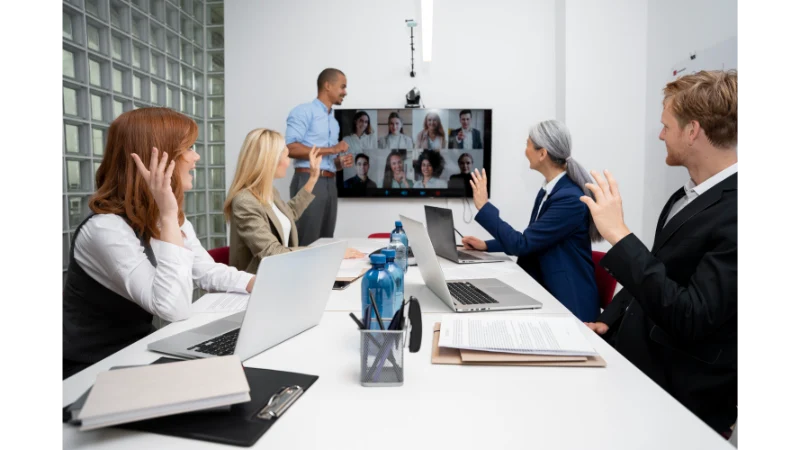
A business does not need a full-time physical office to look credible, but it does require consistent signals that reassure clients, partners, and vendors. People want to know where a company is based, how to reach it, and whether it can handle communication reliably. Virtual offices support this by providing a professional address, mail handling, and, in some cases, reception services, which help the business feel established. This matters for startups, consultants, e-commerce sellers, and remote teams that work from home but do not want their personal addresses listed publicly. It also matters for businesses that serve a specific market area but do not need daily walk-in traffic.
Credibility is often built through small details, like an address that matches the service region, a clean process for receiving documents, and a clear way for customers to contact the business. Virtual office services help reduce friction in those moments, making the company appear organized and reachable. When credibility improves, sales conversations move faster because the buyer spends less time questioning legitimacy and more time discussing fit.
Practical ways virtual offices help
- Professional address and public-facing trust
One of the strongest credibility signals is a professional business address. Clients often search for a company online before committing, and an address in a business district can reassure them that the company is not temporary or hard to find. A virtual office address also keeps personal information private for home-based owners while still meeting basic expectations for listings, invoicing, and vendor onboarding. Some services offer a suite number format and building lobby presence that looks consistent across invoices, business cards, and web pages.
For businesses targeting a specific city, having a local address can reduce hesitation because it signals the company is connected to the market it serves. For example, a Miami Virtual Business Address can help a remote company present a local footprint to South Florida clients who prefer working with nearby providers. The key is consistency. The address should match other public profiles, the website footer, and legal documentation so customers do not see conflicting information. When a business looks consistent, it feels safer to engage, especially with higher-value services where buyers are cautious.
- Mail handling, compliance, and operational stability
Beyond appearance, virtual offices enhance credibility by handling business mail and official documents reliably. Many small businesses miss important letters because mail is split between home, a PO box, and a teammate’s address. A virtual office consolidates mail into one system with scanning, forwarding, or pickup options, which reduces the risk of missed tax notices, legal correspondence, or vendor contracts. This is not only convenient; it also demonstrates stability when clients request documents or when banks and vendors need a verified address.
Some providers also offer registered agent services or can guide owners to the correct compliance setup for their jurisdiction. When a business can receive and respond to formal documents quickly, it looks organized and professional. Mail logs and scan archives also create a paper trail that helps with recordkeeping, accounting, and dispute resolution. For remote teams, centralized mail handling prevents critical paperwork from sitting unopened in a home mailbox while the owner is traveling. Operational stability contributes tocredibility because customers and partners sense that the business has systems in place rather than rrelyingon improvisation.
- Meeting space access without long-term overhead
Credibility is also built by how a business interacts with clients. Many virtual office providers offer access to meeting rooms or day offices by the hour, giving businesses a professional place to hold presentations, sign contracts, or conduct interviews without paying monthly rent for space they rarely use. This can be valuable for consultants, agencies, legal services, and financial professionals who occasionally need privacy and a polished setting. The flexibility also supports different work styles. A business can operate remotely day-to-day and still host important meetings at a consistent location.
Some providers include reception staff who greet guests and notify the host, adding another layer of professionalism. Meeting access can also support team gatherings for planning sessions, training days, or client workshops, especially when a distributed team needs an in-person option a few times per month. The key benefit is that the business looks capable of hosting real conversations in a professional environment, even if the core team works remotely. That balance preserves credibility while keeping overhead under control.
Credibility that scales with flexibility
Virtual offices support business credibility by providing consistent signals of stability, privacy, and professionalism without requiring full-time physical space. A professional address builds trust and aligns the business with its target market, while reliable mail handling improves compliance and reduces missed documents. On-demand meeting rooms allow businesses to host clients in a polished setting without long-term overhead. When combined with consistent branding and a smooth customer communication process, these services help a remote or home-based business feel established and dependable. The most effective use of a virtual office is not just renting an address, but building a predictable system for how the company presents itself, receives information, and communicates with clients.