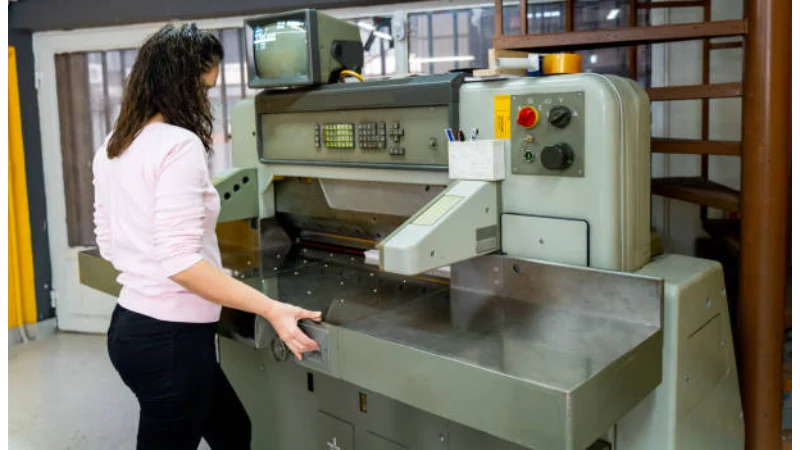
The die cutting industry continues to evolve rapidly as demand for higher productivity, greater design flexibility, and enhanced sustainability shapes how converters operate. Whether in packaging, labeling, or specialty substrates, staying on top of modern trends helps converters stay competitive while delivering high-quality results. Today’s trends reflect technological advancements, shifting market demands, and the need for greater efficiency across all stages of production.
-
Increased Adoption of Diverse Die Cutting Technologies
Converters no longer rely solely on one type of die cutting. While rotary die cutting remains a dominant solution for high-speed, high-volume jobs, other technologies are gaining traction for their specific advantages. Rotary systems provide continuous, efficient cutting with minimal downtime, making them ideal for long runs and repetitive designs.
At the same time, flatbed and digital die cutting technologies are expanding their role. Flatbed systems excel at complex shapes and thicker substrates, while digital cutting offers exceptional flexibility without the need for physical dies, enabling rapid design changes and short-run production without tooling costs.
-
Digital Integration and Automation
Automation is transforming die cutting operations by reducing manual intervention and speeding up workflows. Converters increasingly integrate digital controls, automated registration mark detection, and advanced machine interfaces into their systems, helping reduce errors and improve consistency.
Digital integration also plays a role in data capture and predictive maintenance. Smart machinery can monitor performance in real time, alert operators to potential issues, and support proactive tooling adjustments. This adoption of Industry 4.0 principles helps converters optimize uptime, reduce waste, and fine-tune output quality.
-
Customization and Short-Run Flexibility
Market trends show a growing demand for customized packaging and tailored solutions, driven by e-commerce growth and consumer expectations for unique brand experiences. Digital die cutting technologies allow converters to respond quickly to new designs without the cost and delay of producing new physical dies.
This flexibility is vital in industries where frequent design updates are the norm, such as promotional packaging, seasonal labels, and personalized products. Converters who can offer swift turnaround times with precise cutting capabilities remain at a competitive advantage.
-
Sustainability and Material Versatility
Sustainability continues to shape material selection and production approaches. There’s growing interest in eco-friendly substrates like biodegradable films, recycled content materials, and lighter weight formats. Modern die cutting equipment is adapting to handle a broader range of materials without compromising cut quality. A capability converters must embrace to meet customer expectations and regulatory requirements.
-
Precision and Quality Enhancements
As products become more complex and application standards rise, precision is no longer optional. Converters are investing in tooling and systems that maintain tight tolerances and repeatability, even at high speeds. This emphasis includes better rotary dies, refined blade geometries, and integrated quality controls that ensure each part matches design intent.
Conclusion
Modern die cutting trends reflect an industry in transition, moving toward automation, digital flexibility, sustainability, and quality precision. Converters who embrace these trends gain the ability to produce innovative, high-quality products efficiently and responsively.
By investing in diverse technologies, integrating digital systems, and adapting to market demands for customization and eco-responsible production, converters position themselves for long-term success in a rapidly changing landscape. Staying informed and flexible is essential.