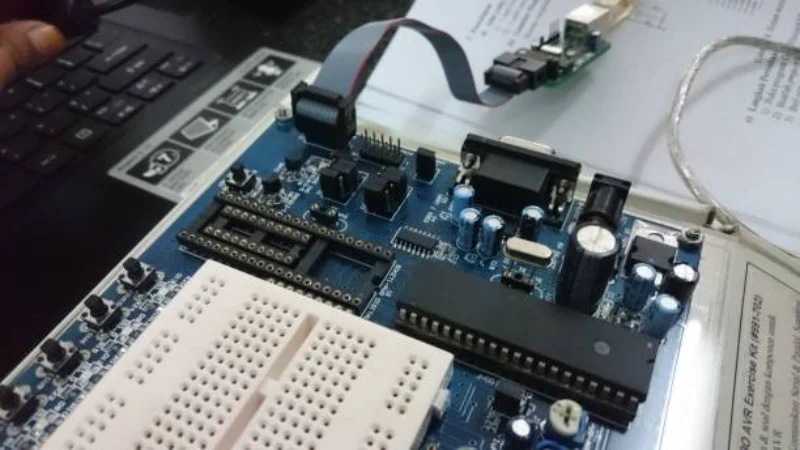
Setup for PB Emulator
Setting up the PB Emulator helps you test and run applications smoothly. This guide explains each step clearly. Follow it carefully to get perfect performance. The emulator allows you to mimic real device behavior. It saves time and avoids hardware needs. You can configure settings easily and start using it fast. Let’s explore how to set up the emulator effectively.
Understanding PB Emulator
PB Emulator is a tool that simulates a real device environment. It helps developers test apps before launch. You can run multiple systems without physical devices. The emulator offers reliable testing and debugging options. It ensures your apps run smoothly on all versions. Developers prefer it for fast, flexible testing. Understanding this emulator helps you work efficiently. It also reduces development costs significantly.
System Requirements for Setup
Before setup, check your system compatibility. You need a stable operating system and enough storage. A strong processor improves performance. Install the latest drivers for better stability. Make sure you have an updated Java version. High RAM capacity ensures smoother performance. Keep your graphics drivers updated too. Meeting these requirements avoids installation errors. It also guarantees a seamless setup process.
Download the PB Emulator
Go to the official website to download the emulator. Choose the correct version for your system. Always download from trusted sources. Avoid third-party websites to prevent malware. Once downloaded, locate the installer file. Save it in a safe directory for easy access. Confirm the file’s authenticity before proceeding. Download speed depends on your internet connection. Ensure the file downloads completely before installation.
Installing the Emulator
After downloading, open the installation file. Run it as administrator for smooth access. Follow the on-screen instructions carefully. Select your preferred installation directory. The process usually takes a few minutes. Avoid interrupting it to prevent corruption. When finished, click “Finish” to complete. The emulator will appear in your applications list. Now you can move to configuration.
Initial Configuration Steps
Open the emulator after installation. Allow it to load initial settings. Set your preferred language and region. Adjust screen resolution for clarity. Enable hardware acceleration if available. Check audio and graphics settings. Save all preferences for faster loading. Configure default directories for files. Restart the emulator to apply all changes.
Connecting Virtual Devices
Open the virtual device manager within the emulator. Click “Create Device” to start. Select a device type that fits your needs. Adjust settings like memory and resolution. Save and launch the virtual device. Wait for the device to boot completely. Test its performance using sample applications. You can create multiple devices for testing. Each setup allows flexible app checks.
Testing Applications
Load your app into the emulator. Drag and drop the APK file if needed. Watch the installation progress. Once complete, launch the app. Observe performance and visual accuracy. Use debugging tools to identify issues. Adjust code or settings accordingly. Repeat tests until results meet expectations. Testing regularly improves your application’s quality.
Troubleshooting Common Issues
Sometimes the emulator fails to start. Check if virtualization is enabled in BIOS. Update your graphics drivers immediately. Clear cache if it loads slowly. Restart your computer to refresh processes. Reinstall the emulator if errors persist. Always maintain enough disk space. Avoid running heavy programs together. Following these steps usually resolves problems quickly.
Optimizing Performance
Close unused background applications. Allocate more RAM if possible. Enable GPU rendering for better graphics. Adjust emulator settings for smoother results. Use SSD storage for faster loading. Update the emulator regularly for stability. Keep your system drivers current. Regular maintenance ensures consistent performance. These optimizations save time and increase productivity.
Backup and Restore Settings
Regular backups protect your setup. Export settings after each major update. Save them in a secure folder. You can restore them anytime easily. This helps recover from system crashes. Use the emulator’s built-in backup feature. It saves configurations automatically. Always test backup files before final use. Proper backups prevent data loss effectively.
Integrating Developer Tools
Connect the emulator with your development tools. Configure Android Studio or other platforms. Sync your projects directly with the emulator. Enable USB debugging mode for testing. Run builds instantly and monitor logs. You can analyze performance metrics easily. Integration speeds up your workflow. It also simplifies troubleshooting for developers.
Updating the PB Emulator
Check for updates regularly. New updates fix bugs and add features. Download updates only from official sources. Avoid using cracked versions for safety. Install updates immediately after release. Restart the emulator to apply changes. Updated versions improve performance and compatibility. Regular updates keep your development environment secure.
Safety Tips During Setup
Always scan downloaded files for viruses. Keep your antivirus active. Avoid sharing emulator setup files online. Use official documentation for references. Backup your work before major changes. Disconnect from public networks during installation. Secure your system credentials properly. Safety ensures smooth operation of your setup. Stay alert while handling new files.
Advanced Features Overview
PB Emulator offers advanced debugging tools. You can simulate network conditions easily. Test GPS, battery, and sensor data. These features help refine app performance. Customize device profiles as needed. Save configurations for future testing. Advanced tools give developers deeper insights. They make the testing process more professional and precise.
Benefits of Using PB Emulator
The emulator saves time and resources. It allows multiple testing environments. Developers can fix issues early. It supports wide system compatibility. Testing becomes more efficient and error-free. The emulator also boosts development speed. You can easily share test results. Overall, it enhances app quality before release.
Final Setup Review
Review all emulator settings before closing. Ensure virtual devices function properly. Check app installations and logs. Verify backup configurations are correct. Clean unnecessary cache files. Save your setup state for reuse. A final review ensures stable operation. Your emulator is now ready for daily development.
Conclusion
Setting up the PB Emulator is easy when you follow proper steps. It supports developers and testers effectively. Always update and optimize regularly. A well-configured emulator ensures excellent app testing. Keep your setup safe and efficient. With correct settings, performance stays consistent. Enjoy developing smoothly on your emulator platform.
FAQs
1. What is PB Emulator used for?
It helps developers test and debug applications in a virtual environment.
2. Is PB Emulator free to use?
Yes, the basic version is usually free for testing and learning purposes.
3. Can I install PB Emulator on Windows?
Yes, it supports Windows and other major operating systems.
4. How do I fix a slow emulator?
Close background apps, enable hardware acceleration, and allocate more RAM.
5. Does PB Emulator need internet access?
It only needs internet for downloads and updates.
6. How often should I update PB Emulator?
Update it whenever new versions release to maintain performance and security. Visit my site