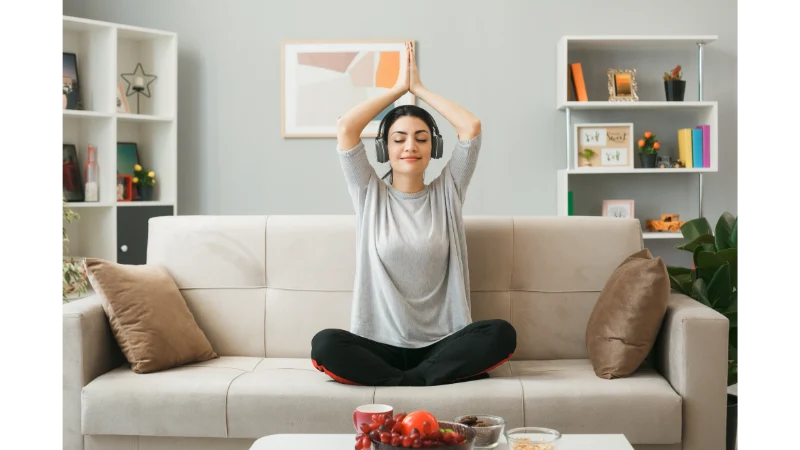
Modern life moves at a relentless pace, shaped by constant connectivity, demanding schedules, and an endless flow of information. Many people find themselves juggling professional responsibilities, personal commitments, and social expectations with little time to pause. This environment can make maintaining emotional balance difficult, especially when stress becomes a daily companion rather than an occasional challenge. Supporting calm is not about avoiding responsibilities but about learning to navigate them with greater awareness and stability. By understanding how daily habits, mental framing, and environmental influences affect emotional well-being, individuals can create space for steadiness even during busy periods. Calm becomes something that is practiced and supported rather than something that appears by chance.
Finding Steadiness in a Fast-Paced World
-
The Role of Routine in Emotional Stability
Daily routines play a powerful role in shaping emotional balance, often without being noticed. Predictable patterns provide a sense of structure that helps the mind feel grounded, even when external circumstances are uncertain. Simple actions, such as maintaining consistent sleep schedules, eating regular meals, and taking intentional breaks, can influence mood regulation throughout the day. Routines reduce decision fatigue by limiting the number of choices that must be made, preserving mental energy for more meaningful tasks. When routines are aligned with personal values, they also reinforce a sense of purpose. In some wellness-focused communities, conversations around products and practices, including Capital CBD American Shaman, reflect a broader interest in supporting calm through intentional daily habits. Emotional stability often grows from these repeated, steady actions rather than dramatic changes.
-
Managing Emotional Load Through Awareness
Emotional balance is closely tied to awareness of internal states and external triggers. Many people carry an emotional load made up of unresolved stress, expectations, and unspoken concerns. Without awareness, this load can accumulate and surface as irritability, fatigue, or restlessness. Developing awareness involves noticing emotional shifts as they occur and understanding their determinants. This practice does not require constant self-analysis but rather gentle attention to patterns over time. By recognizing early signs of tension, individuals can respond before emotions become overwhelming. Awareness also fosters self-compassion, enabling individuals to acknowledge difficult feelings without judgment. This mindset supports calm by reducing internal conflict and fostering a more accepting relationship with everyday emotional experiences.
-
A Brief Reflection on Stillness and Balance
Stillness does not mean inactivity; it denotes moments in which attention is no longer pulled in multiple directions. Short periods of stillness throughout the day can help recalibrate emotional responses and restore mental clarity. These moments may arise during quiet reflection, mindful breathing, or simply by pausing between tasks. Stillness allows emotions to settle naturally, creating space for thoughtful responses rather than impulsive reactions. Over time, these pauses contribute to a steadier emotional baseline. Supporting calm through stillness encourages balance without requiring significant changes to daily responsibilities.
-
Environmental Influences on Daily Calm
The environments people move through each day have a strong impact on emotional well-being. Noise levels, lighting, clutter, and even digital environments can either support calm or contribute to stress. Spaces that feel overwhelming often increase mental tension, whereas environments that provide comfort and order can promote relaxation. Small adjustments, such as organizing workspaces, reducing unnecessary notifications, or incorporating natural elements, can alter how the nervous system responds throughout the day. Emotional balance is not only an internal process but also a response to surroundings. When environments are intentionally shaped, they become allies in maintaining calm rather than sources of constant stimulation.
-
Emotional Balance as an Ongoing Practice
Supporting daily calm is not a one-time effort but an ongoing practice that evolves with life’s demands. Emotional needs change over time, influenced by work, relationships, and personal growth. What supports balance in one season may need adjustment in another. Viewing calm as a practice encourages flexibility rather than rigid expectations. This perspective reduces frustration when challenges arise and allows individuals to adapt with patience. Emotional balance becomes less about achieving a permanent state and more about returning to steadiness when disruptions occur. This ongoing approach builds resilience and supports a more sustainable sense of well-being over the long term.
Daily calm and emotional balance are shaped by countless small choices rather than dramatic transformations. Through supportive routines, heightened awareness, intentionally designed environments, and moments of stillness, individuals can navigate modern life with greater steadiness. Emotional balance grows when calm is treated as a skill that can be practiced and refined over time. By integrating these principles into everyday living, it becomes possible to meet responsibilities with clarity while preserving inner stability. Calm does not remove challenges, but it changes how they are experienced. In this way, emotional balance becomes a reliable companion amid the constant motion of modern life.