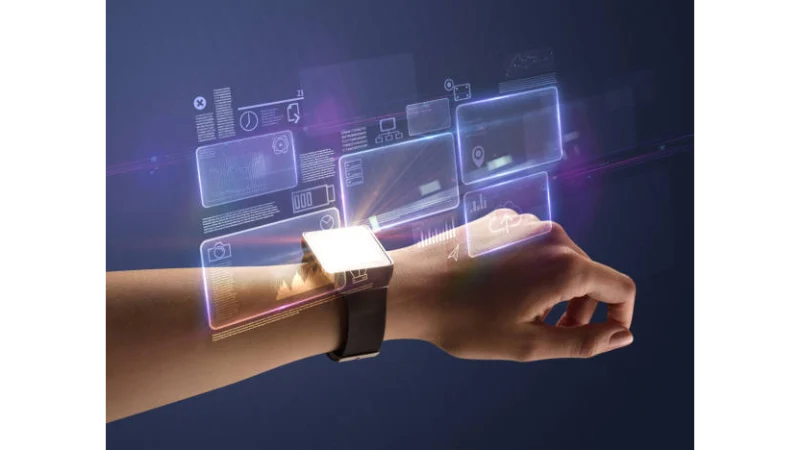
Introduction to Modern Wearable Technology
Wearable technology continues to evolve fast and shape our digital lifestyle. Users seek tools that improve health, boost productivity, and enhance convenience. Developers push boundaries and design compact devices packed with advanced sensors. Consumers expect seamless integration across platforms and services. These expectations push brands to innovate and deliver stronger features. Smartwatches track fitness metrics and support mobile payments. Health bands monitor heart rate, sleep quality, and stress levels. Smart glasses provide notifications and navigation without disrupting movement. Each device strengthens the link between humans and data systems. These innovations highlight a growing demand for intelligent solutions. One major contributor driving discussion today remains wearables feedworldtech across global markets.
Growth of Wearable Markets Worldwide
The wearable market expands year after year. Manufacturers compete to deliver unique features and stable performance. Better sensors improve accuracy and user trust. Brands focus on comfort and long battery life. Users adopt these devices for personal health insights. Sports enthusiasts rely on metrics to improve daily training. Busy workers track sleep patterns to manage fatigue. Doctors use remote monitoring tools for better patient support. Insurance firms reward clients who maintain active lifestyles. These patterns reveal rising global acceptance. Companies see potential in targeted software platforms. Developers test new interfaces to reduce friction. Analysts attribute part of this growth to wearables feedworldtech integrated with diverse ecosystems.
Health Monitoring and Medical Applications
Wearables help track essential health data. These devices record heart rate, body temperature, and blood oxygen levels. Many tools alert users about irregular patterns. Such warnings encourage early diagnosis and treatment. Fitness apps create personalized plans using collected data. Coaches help users maintain consistency through guided sessions. Medical teams monitor patients remotely to reduce visits. Elderly users benefit from fall detection tools. Families feel safer knowing alerts reach caregivers fast. These features support wellness programs in workplaces. Hospitals use these devices for rehabilitation plans. Analysts predict deeper medical integration soon. Many advancements link to rapid adoption encouraged by wearables feedworldtech discussions in health communities.
Impact on Fitness and Athletic Performance
Athletes trust wearables for detailed performance insights. Runners track pace, stride, and heart zones. Cyclists follow route analytics to boost endurance. Swimmers depend on waterproof devices for stroke feedback. Fitness apps create personalized challenges for users. Trainers examine data to refine coaching strategies. Teams monitor players to avoid injury during practice. These devices help athletes understand body signals clearly. Sport brands invest heavily in advanced sensor technology. Users enjoy simple dashboards that show clear metrics. Gamified interfaces motivate people to stay active. Competitive events rely on accurate tracking tools. Much of this forward momentum ties to wearables feedworldtech shaping athletic innovations globally.
Smartwatches and Everyday Productivity
Smartwatches enhance daily routines for many users. They display notifications without requiring phones. Users answer calls directly through the device. Calendar alerts help manage tight schedules. Quick replies reduce time wasted on messages. GPS tools simplify navigation while traveling. Payment features support fast checkout at stores. App ecosystems offer productivity tools for professionals. Health apps support work-life balance strategies. Students track study sessions using time management features. Remote workers manage tasks with simple reminders. These capabilities make smartwatches essential tools. The push for integrated features continues to grow. Many innovations appear because wearables feedworldtech inspires better software design across platforms.
Smart Clothing and Biometric Textiles
Smart clothing represents the next evolution in wearables. Textile sensors track movement and muscle activity. Fitness enthusiasts enjoy real-time coaching from shirts or leggings. These garments improve posture monitoring during training. Medical teams use smart textiles for rehabilitation programs. Designers mix comfort with accurate sensor placement. Sports brands experiment with washable circuits and flexible materials. Users appreciate clothing that blends with everyday outfits. Data syncs easily to mobile apps. These innovations enable long-term monitoring without discomfort. Professionals adopt smart uniforms for real-time communication. Industries explore safety features for dangerous workplaces. The rise of textile technology aligns with wearables feedworldtech leading global conversations.
Wearables in Workplace and Industrial Settings
Businesses deploy wearables for safety and efficiency. Workers use smart helmets for navigation in complex facilities. Sensors detect hazardous conditions instantly. Managers track equipment performance in real time. Remote experts guide teams through augmented displays. Companies lower accident risks using warning systems. Factories automate tasks with connected devices. Logistics teams follow optimized routes with smart trackers. Wearables support compliance and training modules. Teams access hands-free communication tools. Productivity improves as data becomes more visible. Security workers rely on biometric devices for access control. Many organizations adopt these solutions quickly. The growing industrial interest contributes further momentum toward wearables feedworldtech adoption across sectors.
Augmented Reality and Mixed Reality Wearables
AR wearables transform how people interact with digital information. Smart glasses show overlays without blocking movement. Students visualize lessons through immersive content. Engineers review designs in real scale. Surgeons access vital data during operations. Gamers enjoy interactive experiences in real environments. Field workers follow step-by-step guidance through visual cues. Retail customers preview products virtually. Designers test concepts with rapid feedback. Businesses use AR for training and simulations. This technology reduces errors and improves accuracy. Creative industries adopt AR tools quickly. The expanding role of AR aligns with innovating trends built around wearables feedworldtech solutions in modern digital systems.
Wearables and Artificial Intelligence Integration
AI enhances the value of wearable devices significantly. Algorithms analyze user data with high accuracy. Personalized suggestions improve wellness routines. Productivity tools adapt to behavior patterns. Health alerts become smarter with predictive insights. Voice assistants simplify hands-free operations. Machine learning identifies early signs of stress. Sleep recommendations help users recover faster. Device security improves through biometric recognition. AI creates smarter training plans for athletes. Many apps evolve as models learn continuously. Developers study user habits to improve experiences. These AI-driven improvements highlight the strong connection between modern machine intelligence and expanding wearables feedworldtech adoption worldwide.
Battery Life and Power Innovations
Battery life remains a major challenge for wearable developers. Users expect long-lasting performance throughout busy days. Engineers design chips that consume less energy. Solar-powered features appear in new devices. Kinetic charging uses motion to add extra power. Battery density grows with new materials. Charging speed improves through advanced adapters. Wireless charging pads offer convenient solutions. Low-power displays extend usage significantly. Many brands test flexible batteries for comfort. Sleep tracking requires devices that run all night. Fitness sessions demand strong performance under pressure. Companies race to deliver longer runtime. These power improvements help sustain demand supported by wearables feedworldtech influence.
Security and Privacy Concerns
Wearable devices collect large amounts of personal data. Users worry about unauthorized access to sensitive information. Developers must protect every data stream. Encrypted storage prevents malicious use. Secure connections reduce hacking risks. Brands adopt strict privacy guidelines. Users review settings to control shared data. Health apps must follow regulatory standards. Companies publish transparent security policies. AI models require careful handling of user information. Cloud platforms store data safely with strong protocols. Identity theft risks require constant attention. Manufacturers update firmware to fix vulnerabilities. These measures strengthen user trust and encourage growth of connected devices in modern markets.
User Experience and Design Trends
Design remains crucial for wearable adoption. Users demand lightweight devices with comfortable fit. Slim shapes improve daily usability. Soft materials increase long-term wear satisfaction. Intuitive interfaces improve engagement. Clear displays simplify real-time actions. Haptic feedback alerts users discreetly. Customization appeals to diverse tastes. Designers balance style with function. Water resistance remains essential for fitness fans. Universal controls support accessibility. Menus must work well across all apps. Brands focus heavily on personalization features. These design choices strengthen user loyalty across product lines. They also support steady adoption as wearables expand into mainstream lifestyles worldwide.
Wearables for Smart Homes
Wearables connect smoothly with smart home systems. Users control lights and appliances with gestures. Voice commands trigger automated routines easily. Home security systems share instant alerts. Smart thermostats adjust settings using biometric data. Sleep patterns influence room temperatures automatically. Door locks open through trusted authentication. Cameras sync motion alerts with wearable notifications. Kitchen devices support guided cooking modes. Entertainment systems respond to quick wrist actions. These integrations simplify daily life for families. Homes become safer and more efficient. People appreciate personalized comfort features. This expanding home automation ecosystem continues to grow alongside wearable innovations across global markets.
Sustainability in Wearable Technology
Sustainability shapes many modern manufacturing choices. Brands reduce waste through recycled materials. Packaging uses biodegradable components. Energy-efficient chips lower power consumption daily. Long-lasting designs reduce yearly upgrades. Repairable modules help extend product life. Solar features reduce charging needs. Ethical sourcing improves supply chain transparency. Users choose eco-friendly options more often. Companies adopt circular economy models. Better production methods cut carbon emissions. Wearable accessories use safe dyes and fabrics. Designers consider environmental impact early. These practices benefit the planet while maintaining strong performance. Sustainable goals drive responsible innovation and strengthen industry reputation worldwide.
Future Innovations and Global Trends
Future wearables will integrate deeper into daily life. Sensors will become smaller and more accurate. Devices will predict health issues early. Users will enjoy faster connectivity through advanced chips. More brands will adopt flexible displays. Neural interfaces may support hands-free control. AI will deliver stronger personalization. Medical systems will rely heavily on remote monitoring. Athletes will use real-time biometric coaching. Smart homes will respond faster to biometric cues. Businesses will automate tasks with body-based controls. Designers will blend fashion and technology seamlessly. These innovations reflect a bold future ahead for digital ecosystems worldwide. Visit my site for more details
FAQs
1. What features matter most in modern wearables?
Users value comfort, battery life, accuracy, and ecosystem integration in modern wearables.
2. How do wearables help improve health?
Wearables track sleep, heart rate, activity, and stress for better lifestyle decisions.
3. Are wearable devices safe to use daily?
Yes, they follow strict safety standards and emit very low radiation levels.
4. Do wearables work without smartphones?
Many wearables function independently, but some features need smartphone connectivity.
5. Can wearables support workplace efficiency?
Yes, they assist with communication, navigation, safety alerts, and task automation.
6. Will wearables gain more AI features?
AI integration will increase, making future wearables more predictive and adaptive.